
It’s 6:15 PM on a Friday. Your office closed fifteen minutes ago. Your phone rings anyway. On the other end is a young couple with a toddler in the back seat, sitting in their driveway, staring at a renewal notice that just doubled their auto insurance premium. They need a new broker. They need one now. But your voicemail picks up, so they hang up and start Googling. By Monday morning, they’ll have five quotes from five different agencies. The broker who answers tonight, the one who picks up when everyone else has gone home, will almost certainly win their business. Nearly half of all insurance broker after hours calls represent potential clients choosing between you and your competitor based on one simple thing: who picked up the phone.
47% of Insurance Inquiries Happen After Your Office Closes
Think about when your clients actually have time to shop for insurance. It’s not at 10 AM on a Tuesday when they’re at work. It’s after dinner. It’s Saturday afternoon when the kids are napping. It’s Sunday evening when they’re finally sitting down to deal with the paperwork they’ve been putting off all week.
The numbers back this up. According to IIABA data reported by AgentZap.ai, 47% of insurance inquiries occur outside standard business hours. That includes evenings, early mornings, weekends, and holidays. If your agency closes at 5 or 6 PM, you’re dark for almost half of the moments when people are actively looking for what you sell.
The peak window is 6 PM to 8 PM on weekday evenings, according to IBISWorld research. That two-hour stretch is when motivated buyers finally have time to research policies, compare rates, and make calls. Most agencies are already locked up by then.
And Saturday callers? They convert 23% higher than weekday callers, per an Insurance Journal analysis. That makes sense. Someone calling about insurance on a Saturday isn’t doing it on a whim. They’ve carved out time specifically to get this handled. They’re in decision mode. They want to talk to someone, get a quote, and move forward. If you’re not there, someone else will be.
Missed After-Hours Calls Mean Lost Clients
Most agencies aren’t even catching all their calls during business hours. IBISWorld data shows independent insurance agencies miss roughly 22% of incoming calls even when the office is open. That’s more than one in five. After 5 PM, when there’s nobody at the desk at all, the miss rate climbs dramatically.
Each of those unanswered calls represents potential annual premium revenue. A client who stays with you for years, renews policies, adds coverage as their life changes, and refers friends. That’s the math that makes insurance agent missed calls so expensive. You’re not just losing a phone call. You’re losing a relationship.
And calling them back two days later doesn’t fix it. According to Agency Performance Partners, 61% of leads that don’t get a callback for two or more days never convert. The intent has cooled. They’ve already talked to someone else. They’ve moved on. The window closes fast in insurance, and the cost of a missed call compounds over time.
Speed matters more than most brokers realize. A 2023 study by Jay Baer found that two-thirds of customers say speed of response is as important as price. Think about that. Your rates could be competitive, your coverage options could be better, your service could be superior. But if you’re slow to respond, none of that matters. The broker who answers first often wins, even if they’re not the cheapest.
Why Your Competitors Are Winning the After-Hours Game
The brokers growing fastest are the ones who are available when clients need them.
Real-time phone calls, where you answer at the moment of highest intent, convert at 10 to 20% or higher, according to the Astoria Company’s guide for insurance brokers. Compare that to email leads, which convert at just 2 to 5%. The difference is massive, and it comes down to one thing: timing. When someone calls, they’re ready to talk. When they fill out a form, they’re browsing.
And yet the follow-up in this industry is shockingly poor. Agency Performance Partners ran a secret shopper study and found that only 20% of callers said they’d actually buy from the agent they contacted. The reason? 86% received no follow-up after getting a quote. A third never even received the quote they were promised. This is a competitive opportunity for brokers who respond.
If you’re handling after hours insurance inquiries while your competitors let calls go to voicemail, you don’t need to be cheaper. You just need to be there.
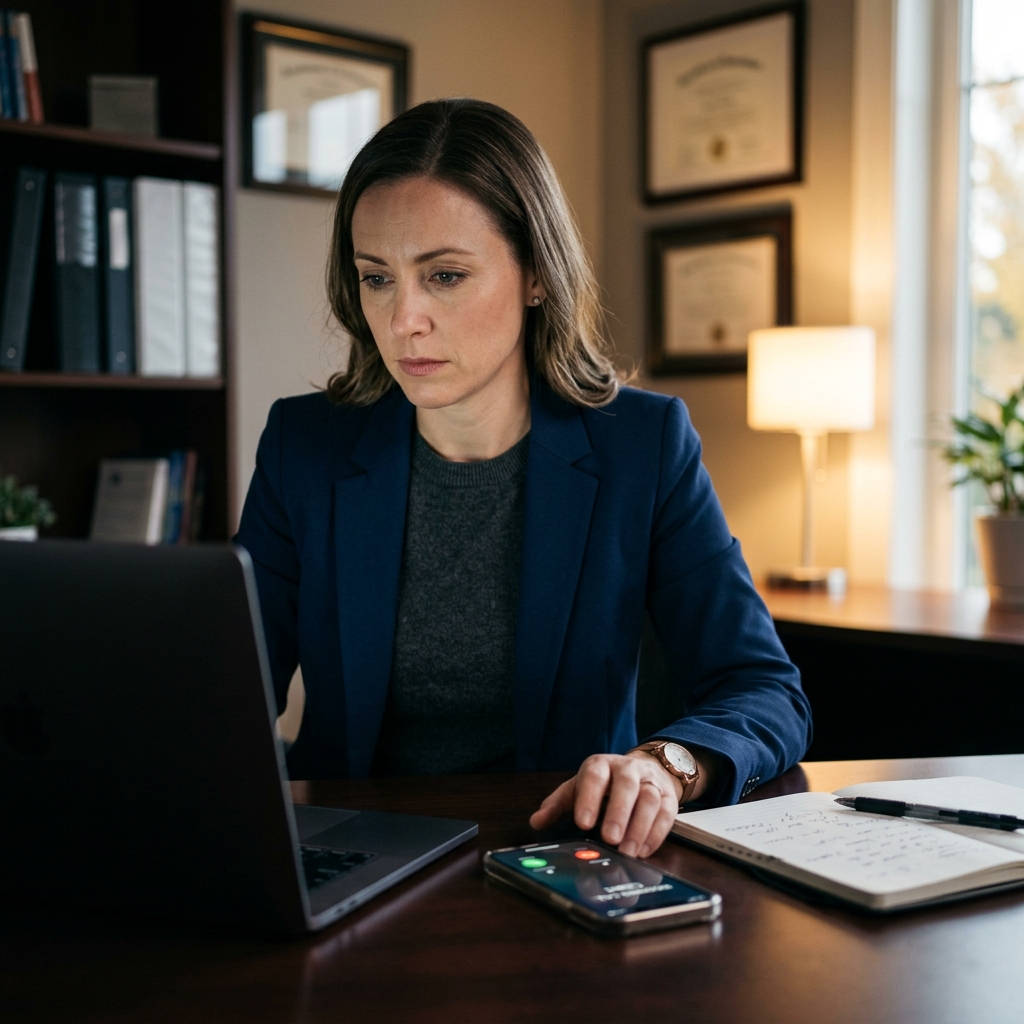
How to Capture Insurance Broker After Hours Calls Without Burning Out
The obvious concern here is work-life balance. You didn’t become an insurance broker to be chained to your phone until midnight. And you shouldn’t have to be. The goal isn’t to work more hours. It’s to make sure calls get answered during the hours that matter most.
One approach is extending your coverage hours by just two hours on weekday evenings. If the peak window is 6 to 8 PM, even covering that small stretch captures a disproportionate share of after-hours inquiries. Some agencies rotate this among staff so no single person is always on evening duty.
Call forwarding to a mobile device works for some brokers, but it has limits. You’re still the one answering, which means you’re still interrupted during dinner, during your kid’s soccer game, during the few hours you have to yourself. It’s a band-aid, not a fix.
The more sustainable approach is having someone (or something) answer for you. An AI receptionist, for example, picks up every call 24/7, collects the caller’s information, answers basic questions about your agency, and either books a callback or schedules an appointment. The caller gets a real conversation instead of a voicemail. You get a qualified lead waiting in your inbox Monday morning, or a notification on your phone that you can act on if you choose.
Here’s where the speed factor matters most. Agency Performance Partners found that contacting leads within one minute of their inquiry increases conversion likelihood by 391%. Very few insurance inquiries get that kind of response time. An AI receptionist can respond instantly, every time, without you lifting a finger. That puts you in a category almost no other broker occupies.
Picture what that looks like in practice. It’s 7:30 PM on a Wednesday. A homeowner just got a letter from their current insurer saying their premium is going up 40% at renewal. They’re frustrated and they want options. They call your agency. Instead of voicemail, your AI receptionist picks up, asks what kind of coverage they’re looking for, collects their contact info, and lets them know you’ll follow up first thing in the morning. By 8 PM, you’ve got a notification with everything you need. You call back at 8:15. That homeowner isn’t calling anyone else.
Practical Steps to Start Covering After-Hours Calls This Week
You don’t need to overhaul your entire operation. Start with the basics and build from there.
First, look at your call data. If you have any kind of call tracking or even just your phone’s call log, check when calls are coming in that you’re not answering. Most brokers are surprised by how many calls land between 5 and 8 PM. Knowing the actual volume helps you decide how much coverage you need.
Second, pick your coverage model. You have a few options. You can rotate evening availability among your team, forward calls to a virtual receptionist service, or set up an AI receptionist that’s trained on your agency’s information. The right choice depends on your team size, your budget, and how many insurance broker after hours calls you’re actually getting.
Third, make sure whatever system you use captures the right information. For insurance inquiries, that means the caller’s name, contact info, the type of coverage they’re looking for, and any urgency (like a lapsed policy or an upcoming closing date on a home purchase). A good AI receptionist can be trained to ask these questions naturally, so when you follow up, you already know what the caller needs.
Fourth, set up a rapid response protocol. When a lead comes in after hours, how quickly does someone follow up? If the answer is “Monday morning,” you’re already behind. Even a callback within an hour or two of the initial inquiry dramatically improves your odds. If your AI receptionist captures the lead at 7 PM and you call back at 8 PM, you’re still ahead of every broker who won’t see that missed call until tomorrow.
The brokers who nail their lead follow-up consistently outperform those with bigger marketing budgets. It’s not about spending more to get leads. It’s about actually converting the leads you’re already getting.
After-Hours Availability Is a Competitive Advantage You Can Measure
This isn’t a soft, feel-good improvement. It shows up in your numbers. One case study from Agency Performance Partners showed a broker increased new policies by 34% simply by extending availability to 8 PM. No new marketing spend. No new staff. Just being available during the hours when clients were already calling.
A 34% increase in new policies compounds over time. Each policy represents ongoing revenue through renewals, referrals, and additional coverage as your clients’ needs change. That’s what makes after-hours retention so valuable. You’re not just winning a single transaction. You’re building a book of business.
The math on after hours insurance coverage gets even more compelling when you factor in the conversion difference between phone calls and other lead sources. If real-time calls convert at 10 to 20% and email leads convert at 2 to 5%, every after-hours call you answer is worth several times more than the form submissions you’re probably paying good money to generate.
Most agencies are still running 9-to-5 operations in a world where their clients are shopping at 7 PM. The bar is low. You don’t have to be perfect. You just have to be available when the other guys aren’t.
Stop Letting Your Voicemail Talk to Your Best Prospects
The next time your phone rings at 6 PM, someone on the other end is ready to buy insurance. They have a need, they have urgency, and they’re willing to commit to the first broker who treats them like a priority. Your voicemail doesn’t do that. Your AI receptionist does.
If you want to hear what it sounds like when an AI answers your phone, collects the caller’s information, and handles the conversation the way you would, call ours and test it yourself: +1 587-742-8858. It takes about 60 seconds to see how it works. Then decide if it’s worth it to stop sending your best leads to voicemail.